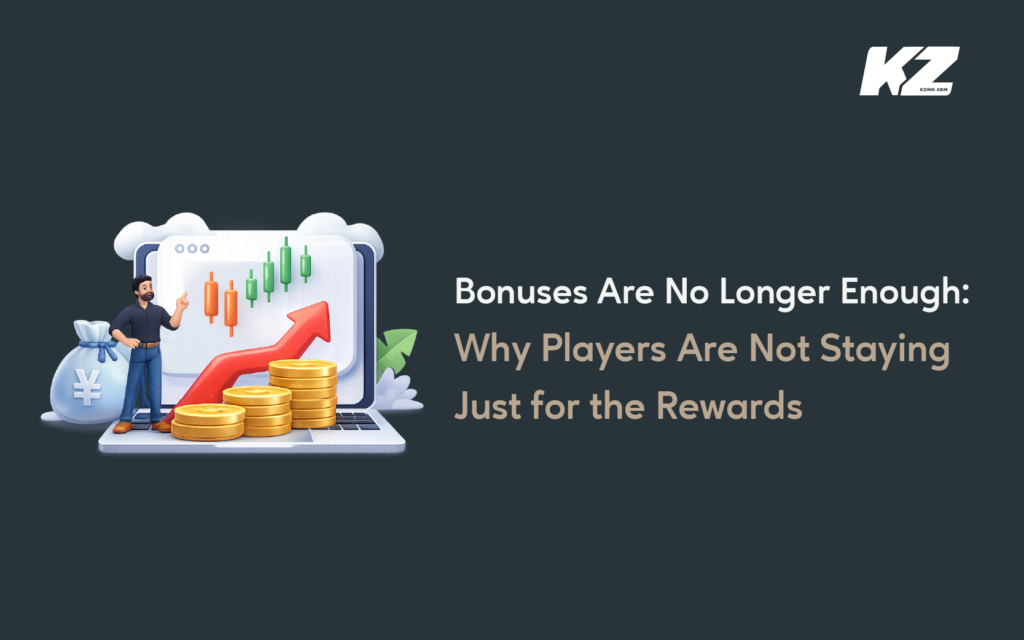
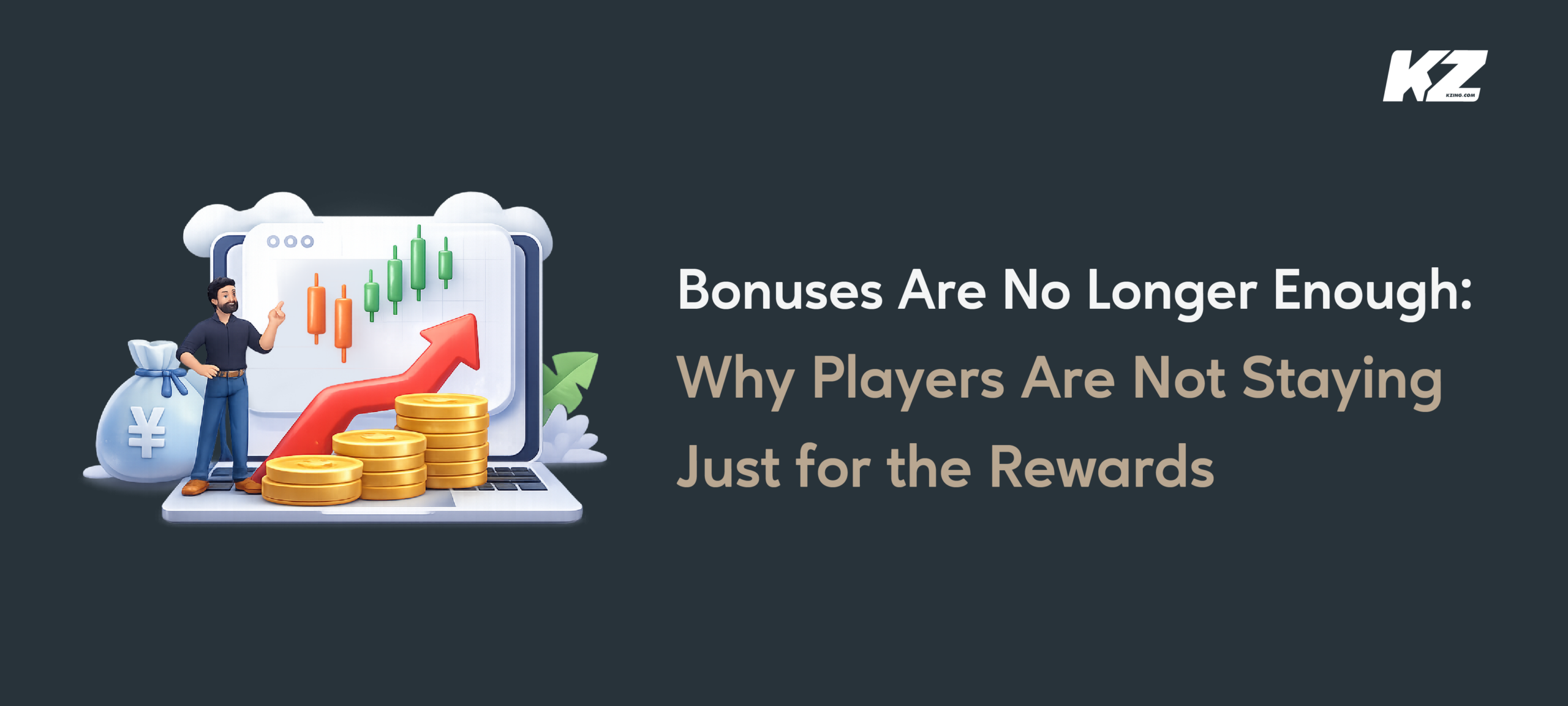
Over the past few years, when operators talked about player retention, the first things that came to mind were bonuses, cashback, welcome offers, and red packet promotions. These tactics remain effective today and continue to play an important role in driving player activity.
However, as the market matures, more operators are beginning to realize that retention is not simply about continuously giving away rewards. The real challenge is no longer just acquiring players—it is creating long-term player loyalty and engagement.
Table of Contents
The Problem with Traditional Reward Models
Promotions can attract players, but they do not always keep them.
Today, “I’ll play wherever the best bonus is” has become an increasingly common mindset. These players have little attachment to the platform itself. They are chasing short-term value rather than a long-term experience.
At the same time, player expectations continue to rise. Bonuses that once generated strong engagement gradually lose their appeal, forcing operators to spend more and more to achieve the same—or even weaker—results.
The Evolution of Modern Retention Strategies
If we look beyond the gaming industry, many successful brands are following the same principle: they do not rely on rewards alone. Instead, they create ongoing reasons for customers to stay engaged. Take airline loyalty programs as an example. Many travelers continue flying with the same airline not simply because it offers the cheapest ticket, but because they have accumulated miles and achieved membership status. Once someone reaches Gold or Platinum status, a common thought emerges: “I don’t want to switch airlines and lose all the progress I’ve built.”
The same concept applies to coffee chains and lifestyle brands. Membership programs offered by brands such as Starbucks are about far more than collecting points for a free drink. Tiered memberships, exclusive events, birthday rewards, personalized offers, and VIP privileges all strengthen the relationship between the customer and the brand. Luxury brands, private clubs, and golf clubs follow a similar approach. Through membership tiers, exclusive benefits, and status recognition, they create a strong sense of belonging and identity.
The reason these brands succeed is not because they offer the most rewards. It is because customers feel they are part of a system, hold a unique status, and continue receiving value over time. As a result, people stay not only because of the rewards themselves, but because of the sense of investment, participation, and accumulated value.
| Player Need | How Brands Satisfy It | Resulting Behaviour |
| Progress & Accumulation | Points, levels, progression systems | Players hesitate to leave and lose their progress |
| Identity & Status | VIP tiers, badges, member titles | Players want to maintain their status |
| Sense of Achievement | Milestone rewards, level-ups | Players continue pursuing the next goal |
| Involvement | Community engagement, member events, exclusive experiences | Increased interaction with the brand |
| Exclusivity | Birthday rewards, personalized recommendations, VIP offers | Players feel valued and differentiated |
| Habit Formation | Daily check-ins, notifications, recurring engagement | Players develop regular return habits |
From this perspective, rewards are only the starting point.
What truly drives long-term retention is not a free coffee or a few hundred loyalty points. It is the accumulation of time, attention, and engagement over repeated interactions.
As those investments grow, players begin to develop habits, build emotional attachment, and integrate the brand into their daily lives. At that point, leaving the platform means more than losing a reward—it means losing everything they have built over time.
Why This Model Is Replacing Traditional Reward Strategies
Rewards typically drive short-term actions, and participation creates long-term habits. When a platform introduces interactive experiences, the reasons players return begin to change. Traditionally, a sportsbook functioned primarily as a betting tool. Players placed bets, left the platform, and returned only when the next match started.
Today, more platforms are introducing features such as:
- Sports chatrooms
- Bet slip sharing
- One-click copy betting
- Live match discussions
- Interactive red packet campaigns
We previously explored this concept in depth in our article “Not Just Chatting — But Retaining! Kzing Chatroom Officially Launched“. The value of a chatroom is not simply communication. It is about creating continuous interaction throughout the event, transforming players from passive bettors into active community participants. These features do more than add functionality—they create engagement.
Consider two platforms covering the same major sporting event. One offers only odds and betting markets. The other features active conversations, match discussions, betting insights, and shared bet slips.
The difference in session duration and player activity can be significant because players are no longer participating only in betting—they are participating in the entire sports experience.
Retention Is About Ongoing Participation, Not Just Rewards
High-retention platforms are increasingly discovering that true loyalty is not built through a single promotion or cashback campaign. It comes from creating a sustainable engagement ecosystem. Reactivation mechanisms such as PWA notifications, push notifications, and match reminders make it easier for players to return. Engagement mechanisms such as chatrooms, live discussions, and bet-slip sharing encourage players to stay longer. Growth mechanisms help players feel that their time and activity continue to build toward something meaningful. Ultimately, operators are no longer managing a single betting transaction. They are building an ongoing participation habit. The platforms that succeed will be the ones that:
- Understand player behavior better
- Create more opportunities for engagement
- Establish long-term activity loops
- Give players reasons to return again and again
As discussed in our article “Why Retention Is Becoming More Important Than Acquisition in Asia“ rising acquisition costs are forcing operators to rethink their growth strategies. Increasing player lifetime value (LTV) often delivers a stronger return on investment than continuously spending more to acquire new traffic.
If you are planning a sportsbook focused on stronger retention, deeper engagement, and sustainable growth, speak with the Kzing team today and discover how to build the next generation of sports betting platforms. 🚀@kzingsales03 📱
Written By





![Kzing_Latest_Features文章封面_en_400x250[2]](https://www.kzing.co/wp-content/uploads/2024/04/Kzing_Latest_Features文章封面_en_400x2502-150x150.jpg "Unveiling the Next-Level Experience with Kzing Latest Features")

Recent Posts
-
 How USDT Payments Increase Conversion Rates
 -
 Almost 99% of Betting Traffic Never Converts — a Full-Funnel System Can Fix That
 -
 Understanding Player Motivation through a Psychological Lens
 -
 Why Do Some Online Betting Platforms Give Players 100% Confidence?
 -
 Bonuses Are No Longer Enough: Why Players Are Not Staying Just for the Rewards