Over the past few years, almost every online betting operator has been asking the same questions.
Why are we spending heavily on advertising, yet registrations remain limited?
Why do players register but never make their first deposit?
Why do players disappear shortly after their first deposit?
Why do some players return every day while others leave after a single session?
Many operators attribute these problems to insufficient bonuses, cashback offers, or a lack of popular sporting events. But if you look more closely at player behavior, you’ll find that purchasing decisions are rarely driven by promotions alone. Instead, they are shaped by a combination of psychological factors that influence every stage of the player’s journey.
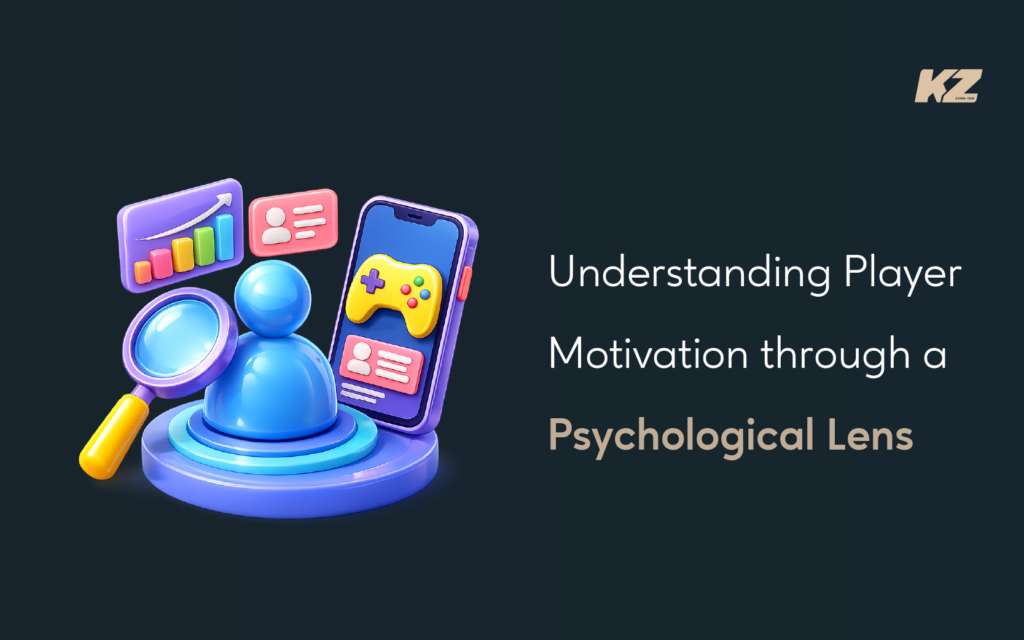
Every click, every bet, and every deposit may seem like a simple action, but each one is driven by an underlying psychological need. When a platform understands those needs—and delivers the right experience at the right moment—players are naturally more willing to stay, engage, and become long-term users.
The best white label gambling site don’t simply offer games—they carefully design the entire player experience. Let’s explore what truly motivates players: why they join, why they stay, why they deposit, and why they keep coming back.
Many operators assume players visit a platform for one simple reason: bigger bonuses and better promotions. In reality, promotions are only one part of the equation—and rarely the primary reason someone decides to click. Think back to the FIFA World Cup. Before a major match, prediction discussions flood social media, friends share their betting picks, short-form videos analyze upcoming fixtures, and chat groups buzz with opinions. Many people who had no intention of placing a bet eventually go onto a betting platform simply because they’re constantly exposed to the conversation.
People don’t just fear missing a betting opportunity—they fear missing the shared experience. When everyone is talking about the same match, opening the platform becomes the most natural response. At the same time, humans are naturally attracted to uncertainty. Before kickoff, nobody knows who will win. Will the odds change? Will there be an upset? Will there be a dramatic last-minute winner? That uncertainty creates anticipation. It’s not the bonus that draws players in. It’s the excitement of what might happen next.
For operators, this means the first objective isn’t simply launching another promotion—it’s removing every possible barrier between curiosity and participation. When someone suddenly wants to check a match, asking them to download an app, wait for installation, and complete lengthy registration forms can quickly kill that moment of excitement. Player interest often lasts only a few minutes. The platform’s job is to turn “I’m just taking a look” into “I’m betting” before that interest fades.
Why Do Players Stay?
A player’s first visit doesn’t guarantee they’ll become a long-term user. Retention is largely determined by how smooth that first experience feels. Psychologists describe this through the Mere Exposure Effect. Simply put, the more frequently people interact with something—and the more consistently positive those experiences are—the more familiar and trustworthy it becomes. That’s why players rarely switch platforms once they’ve grown accustomed to one. It’s usually not loyalty. It’s familiarity.
They know where to find matches, how to place bets, how quickly withdrawals are processed, and when promotional notifications arrive. These seemingly ordinary experiences gradually build psychological comfort and trust. On the other hand, complicated navigation, slow loading times, constant page switching during betting, or frequent technical issues all introduce friction. Each problem may seem minor on its own. Together, they slowly erode the player experience. When enough friction accumulates, players naturally begin looking for a platform that feels easier to use. Player retention isn’t built through one spectacular promotion. It’s built through dozens of consistently smooth experiences.
Why Do Players Deposit?
Many assume players deposit simply because they want to win more money. In reality, making a deposit is a psychological commitment. When someone chooses to place money on a platform, they’re signaling that they trust it enough to invest both their money and their time. Several factors influence this decision.
The first is trust. Players need confidence that their funds are secure and that withdrawals will be processed reliably. Without that confidence, even generous promotions struggle to create lasting relationships.
The second is instant gratification. Imagine a player has just watched an exciting match and emotions are running high. If depositing is fast and effortless, they’re far more likely to complete the transaction. But if payments are complicated or involve long waiting times, that emotional momentum quickly disappears.
There’s also another well-known psychological principle: the Sunk Cost Effect. Once players have already invested time researching matches, exploring promotions, or setting up their account, they’re naturally more inclined to continue rather than walk away. Leaving would make all that previous effort feel wasted. Depositing, therefore, isn’t an isolated action. It’s the natural outcome of every positive experience that came before it.
Why Do Players Keep Coming Back?
Many people assume players continue betting because they’re constantly winning. In reality, that’s rarely the case. What keeps people engaged is ongoing anticipation. Psychologists have found that humans respond especially strongly to Variable Reward. Unlike fixed rewards, unpredictable rewards encourage repeated engagement because people never know when the next exciting outcome will occur.
Sports betting perfectly reflects this principle. Nobody knows whether the next match will produce a major upset or whether a dramatic comeback will happen in the final minutes. Every wager carries the possibility that this could be the one. Another powerful psychological phenomenon is the Near Miss Effect. Many players have experienced situations like these – conceding a goal in the final minute, losing an Asian handicap by half a goal, or missing an accumulator by just one match. Although they still lose, being “so close” often convinces them they’ll succeed next time.
Beyond the matches themselves, social interaction further reinforces engagement. When players see others sharing winning bet slips, climbing leaderboards, earning badges, or unlocking higher VIP levels, they’re receiving much more than rewards. They’re experiencing recognition, belonging, and participation. That’s exactly why more betting platforms are investing in chatrooms, leaderboards, tasks/mission mechanics, and daily missions. These features aren’t added simply to increase functionality. They’re designed to give players more reasons to keep coming back.
Why Do Players Leave?
Operators often blame player churn on winning and losing. In reality, the reasons are usually far more complicated. Most players don’t quit after losing one bet. They gradually lose motivation through a series of disappointing experiences. Pages become slower. Matches become harder to find. Customer support takes longer to respond. Promotions become repetitive. The community becomes quieter. Each issue seems insignificant on its own. Together, they slowly drain the excitement from the platform.
Leaving isn’t usually a single decision. It’s a gradual process. When anticipation decreases while friction increases, churn becomes inevitable. That’s why operators shouldn’t focus solely on acquiring players. The real challenge is continuously giving them new reasons to participate.
Platforms That Understand Player Psychology Build Sustainable Growth
Every player action is part of a larger psychological journey. Players join because of anticipation. They deposit because of trust. They stay because of great experiences. They return because they feel engaged. Platforms that rely solely on promotions eventually find themselves spending more and more to acquire short-term traffic. Long-term growth belongs to platforms that understand player psychology and translate those insights into thoughtful product design.
In recent years, the world’s most successful digital products—from social media platforms and e-commerce marketplaces to mobile games—have increasingly applied behavioral psychology to shape user experiences.
Because what truly influences user behavior isn’t simply the feature itself. It’s whether that feature aligns with how people naturally think, feel, and behave.
At Kzing, this philosophy drives the way we build products. We don’t add features simply because competitors have them. We don’t chase trends for the sake of appearances.
How can we reduce friction during a player’s first visit?
How can we build enough trust for the first deposit?
How can we create a smoother betting experience that encourages long-term retention?
How can chatrooms, leaderboards, missions, VIP progression, and community interaction strengthen engagement and belonging?
We believe great products aren’t built by adding more features. They’re built by ensuring every feature serves a real psychological purpose.
If you’re planning to build a sportsbook with stronger retention, deeper engagement, and sustainable long-term growth, we’d love to show you how Kzing can help.


![DW_Article_8_Understanding_Return_to_Player_(RTP)_文章封面_en_400x250[1]_cleanup](https://www.kzing.co/wp-content/uploads/2024/05/DW_Article_8_Understanding_Return_to_Player_RTP_文章封面_en_400x2501_cleanup-150x150.png "Understanding Return to Player (RTP) and Why It Matters")
![Maximize_Yield_Understanding_Factors_Affecting_Gross_Gaming_Revenue_en_400x250[1]](https://www.kzing.co/wp-content/uploads/2024/04/Maximize_Yield_Understanding_Factors_Affecting_Gross_Gaming_Revenue_en_400x2501-150x150.png "Maximize Yield: Understanding Factors Affecting Gross Gaming Revenue (GGR)")
![Level_Up_Your_Online_Casino_Experience文章封面_400x250[1]](https://www.kzing.co/wp-content/uploads/2024/04/Level_Up_Your_Online_Casino_Experience文章封面_400x2501-150x150.jpg "Level Up Your Online Casino Experience: The Power Of Gamification")
![Master_the_Metrics_Understanding_Gross_Gaming_Revenue_en_400x250[1]](https://www.kzing.co/wp-content/uploads/2024/04/Master_the_Metrics_Understanding_Gross_Gaming_Revenue_en_400x2501-150x150.png "Master the Metrics: Understanding Gross Gaming Revenue (GGR)")